
What the RR-W-410 standard applies to
The RR-W-410 federal specification, Wire Rope and Strand, covers metal cables (wire rope) and wire seizing strands manufactured for government and industrial use in the United States. It is published and authorized by the General Services Administration (GSA) for use by all federal agencies.
This specification does not cover every type, class, construction and size of cable commercially available; it targets the most common configurations used in industry, including the flexible aircraft-type cable used in lifeline systems.
What the RR-W-410 standard actually requires
Classification by type, class and construction
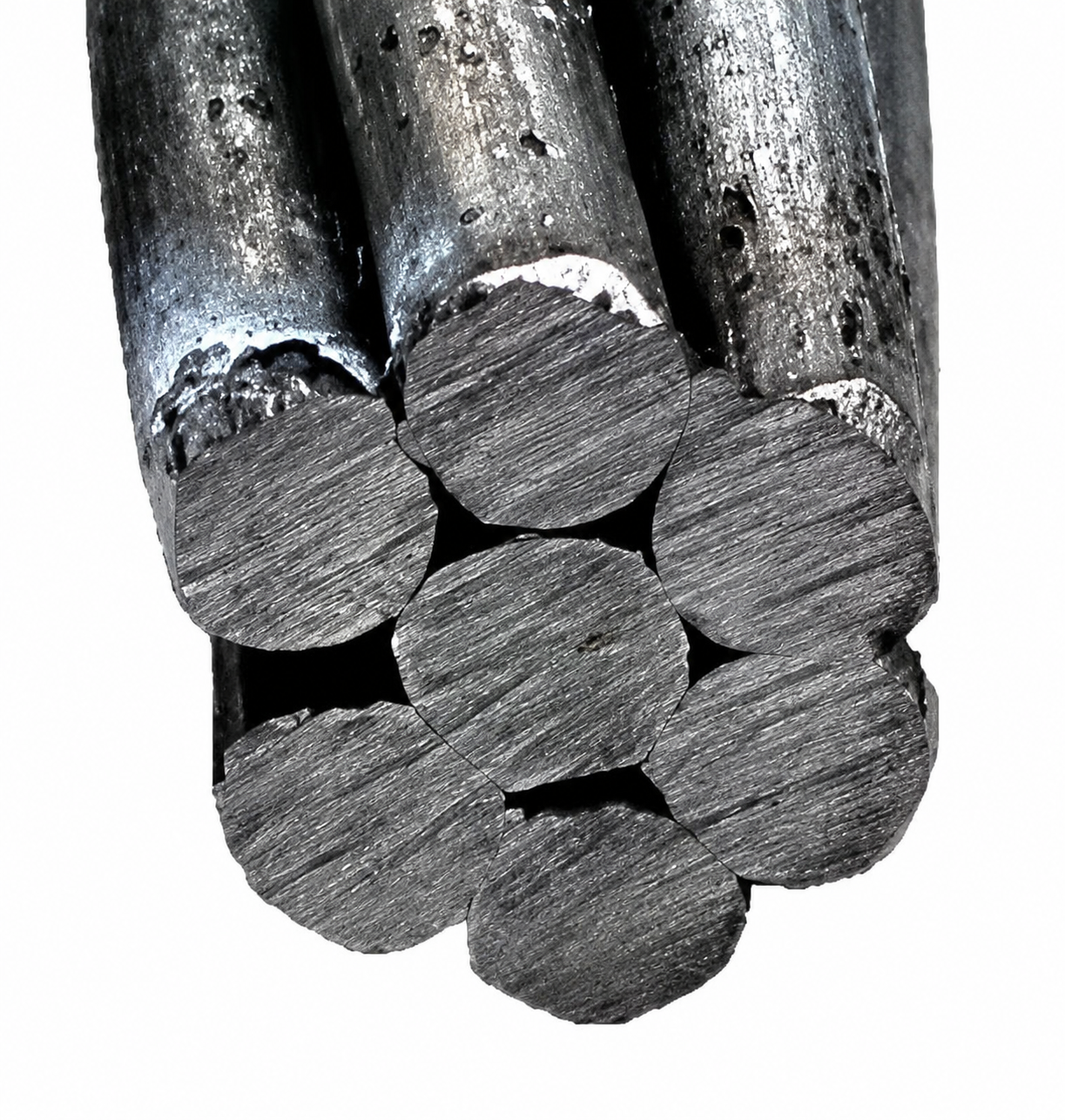
The RR-W-410 standard classifies cables by type (for example Type I for general purpose wire rope, Type VI for flexible aircraft-type cable), class, and construction (the number of strands and wires per strand, for example 6x19, 7x7 or 7x19). The 7x7 and 7x19 constructions are the most common for lifeline cables: 7x19 offers high flexibility and good fatigue resistance, while 7x7 is stiffer but well suited to fixed installations.
Materials and corrosion protection
Compliant cables can be manufactured from galvanized steel (carbon steel coated with a protective zinc layer) or corrosion-resistant stainless steel, depending on the intended use environment. The zinc coating weight for galvanized cables is governed by the ASTM A1023 standard, often referenced alongside RR-W-410.
Current edition
The current edition of the standard is RR-W-410H, published December 22, 2015, which supersedes earlier editions (RR-W-410G from 2010, RR-W-410E, and so on).
RR-W-410 and fall protection systems: what is the connection?
The RR-W-410 standard governs the cable as a material, not the complete fall protection system. It is explicitly referenced by the ANSI Z359.1 standard (the Fall Protection Code) and by the ANSI/ASSE A10.32 standard (personal fall protection systems used in construction and demolition operations) as the reference specification for cables used in these systems.
A cable compliant with RR-W-410 must still be integrated into a complete system (cable, anchors, sleeve) certified to the applicable system standards, such as ANSI Z359.16 or CSA Z259.2.5, to constitute an approved vertical lifeline. Compliance of the cable alone is not sufficient to certify the complete system.
RR-W-410 and the Canadian market
There is no direct CSA equivalent to this American material specification. In Canada, the compliance of the cable used in a lifeline system is generally attested by the manufacturer of the complete system, as part of the system's overall certification to the CSA Z259.2.5 standard. [TO BE CONFIRMED] The exact normative reference for the cable (RR-W-410, an equivalent ASTM standard, or otherwise) should be confirmed with each manufacturer before any precise commercial communication.
Our products using cables of this type
The pre-swaged 3M DBI-SALA Lad-Saf cable (ref. 6104030 for 9 m / 30 ft and 6104040 for 12 m / 40 ft), in galvanized steel, and the 8 mm stainless steel cable of the MSA Latchways LadderLatch system (ref. 3103L-00) are lifeline cables manufactured to metal cable specifications of this type.
[TO BE CONFIRMED] The explicit compliance of each reference with the current RR-W-410 revision should be verified with 3M and MSA before any commercial communication relying precisely on this standard.
Frequently asked questions about the RR-W-410 standard
Is the RR-W-410 standard a fall protection safety standard?
No. RR-W-410 is a US federal material specification governing the manufacturing of the metal cable (composition, construction, dimensions, strength). It is not, on its own, a fall protection system certification. The complete system (cable, anchors, sleeve) must be certified to the applicable standards such as ANSI Z359.16 or CSA Z259.2.5.
What is the difference between a galvanized cable and a stainless steel cable?
Galvanized cable is carbon steel coated with a zinc layer that protects it from corrosion under normal use conditions. Stainless steel cable resists corrosion better in humid, saline or chemically aggressive environments, but generally costs more.
What is a 7x19 cable construction?
It is a cable construction method: 7 strands of 19 wires each, generally around a central core. This construction offers high flexibility and good fatigue resistance, making it suited to lifeline applications where the cable is frequently handled.
Who publishes the RR-W-410 standard and how often is it revised?
The RR-W-410 standard is a US federal specification published by the General Services Administration (GSA), usable by all federal agencies. It is revised periodically; the current edition is RR-W-410H, published December 22, 2015.
Is a cable compliant with RR-W-410 automatically compatible with all lifeline systems?
No. The cable's diameter, construction and material must exactly match the specifications of the lifeline system manufacturer, for example Lad-Saf or LadderLatch. Never replace a cable without confirming its compatibility with the sleeve and anchors of the installed system.